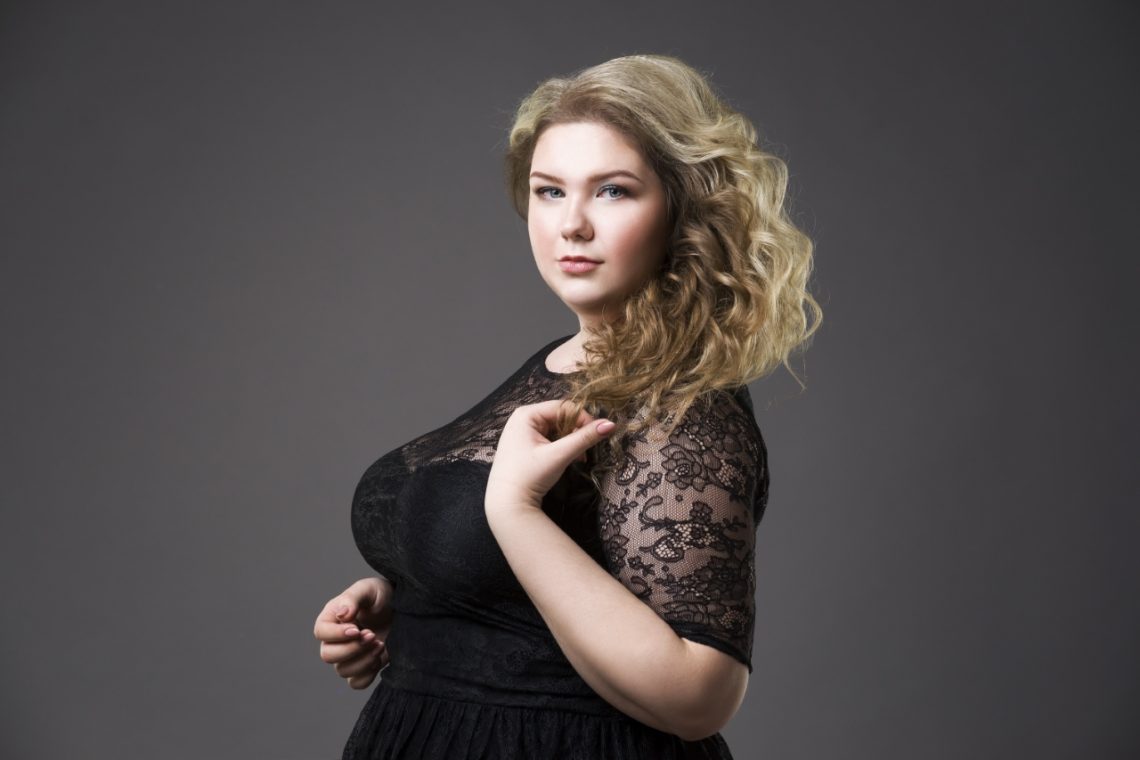
Hairstyles can emphasize both strengths and weaknesses, so it is important to consider all the details before deciding to experiment. What are the best haircuts for women with plus-size figures? What affects the success of the haircut To create a harmonious image for a girl with rounded shapes will help the basic rule: all accessories, including hair, must match the volume of the figure. This means that it is necessary to use either proportionately large details, or bright accents. For example, an intense blonde on a short haircut can make the figure look less heavy by accentuating the prominent color. But the same styling with dark coloring can create the…
-
-
Shoulder length hairstyles for women over 40
Regardless of your age, you can look much younger. Women over 40 years old are allowed many dramatic changes, at the same time you need to be careful not to make your image too youthful. The best option for haircuts for women over 40 years is a stylish and practical length to the shoulders. In the material, we will tell and show, the most relevant medium haircuts for lovely ladies over 40 years old. Fashion trends The medium length is becoming more and more popular. The reason is that ladies leave not too short hair, which allows you to experiment with hairstyles. At the same time, hair with this length…
-
2 Minute Hairstyles with Fringes for Over 40
Do you know you can absolutely transform your look with a fringe only? A woman doesn’t have to change a hairstyle completely to experiment with new looks. Adding a fringe is enough. So, if you don’t have it yet, don’t be afraid to wear a bang this season. Many celebrities have already done this. Wearing a fringe is okay, even if you’re over 40. There are so many interesting hairstyles with fringes for over 40 that you can always do something new with your hair each day of the week. Don’t be afraid of getting bangs even if you do this for the first time ever. If you don’t like…
-
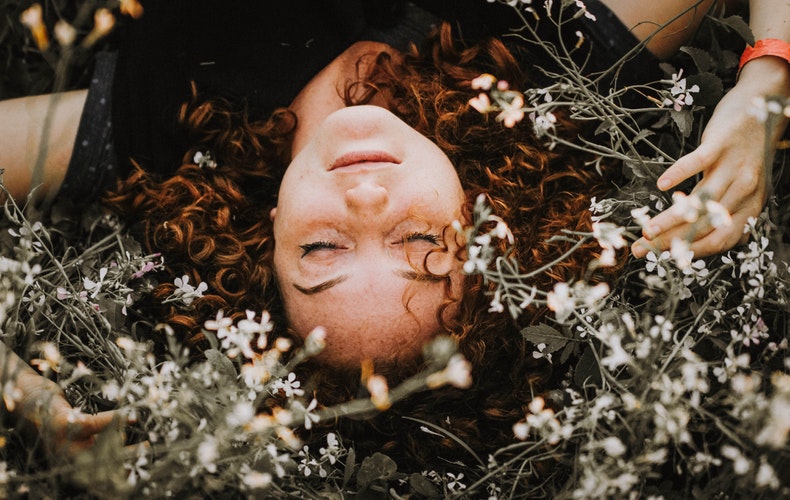
Top 3 Hairstyles for 40 Year Old Woman with Curly Hair
Even if you have stubborn curly hair, you can create a delightful hairstyle with it. In fact, wavy and curly haircuts are very trendy now. Even older women can create cute hairstyles on the go if having this type of hair. So, today we’re going to reveal a couple of secrets on how to do hairstyles for 40 year old woman with curly hair look trendy and stylish. Do you know that feeling when you touch your curly hair in the wrong way and it goes crazy? This is why you should have a list of easy, but cute hairstyles for the moments when your hair is really stubborn or…
-
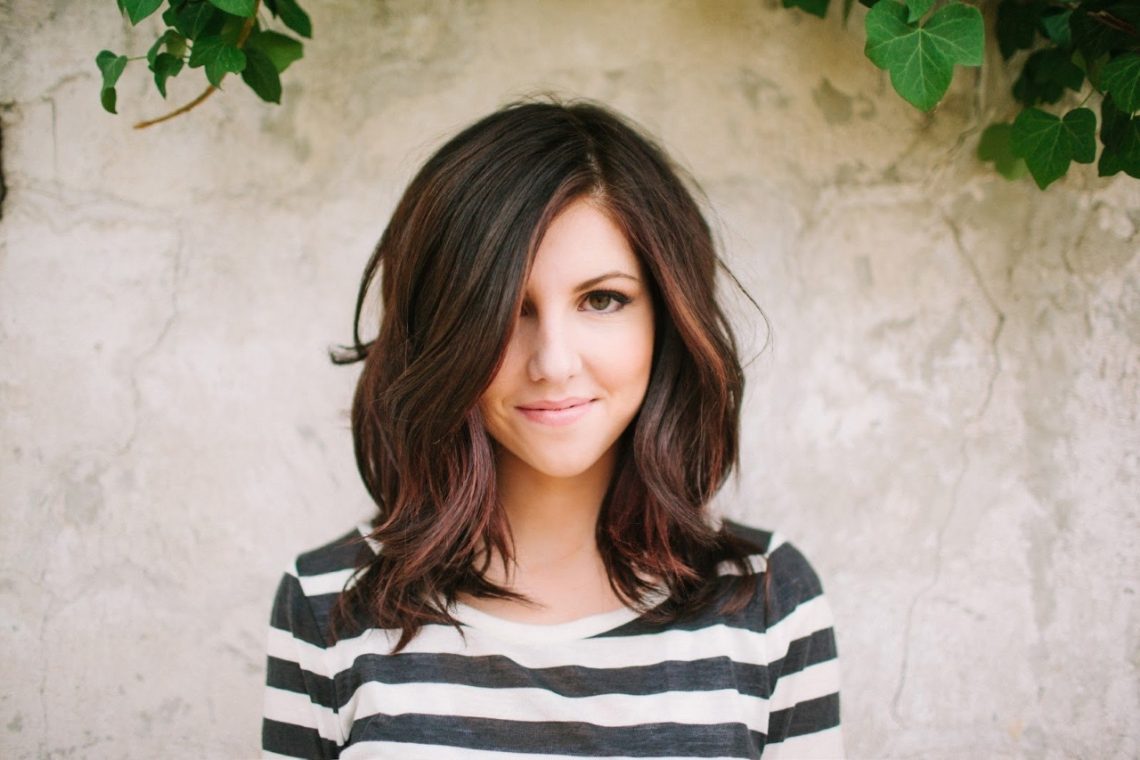
Medium Length Hairstyles For Women Over 40
Medium length cuts are just perfect for ladies over 40 who want to always look fantastic and stylish. Willing to change their image and look younger their age, more and more women give preference to medium length hairstyles which can make their hair look glowy, healthy and shiny. Moreover, a great number of diverse cuts leta ladies choose the one they like the most and easily change their image following the trends. Create An Unforgettable Image Medium length hairstyles for women over 40 make it possible for them to always look young and feminine. Graduated cut is one of the most widespread options ladies give preference to when willing…
-
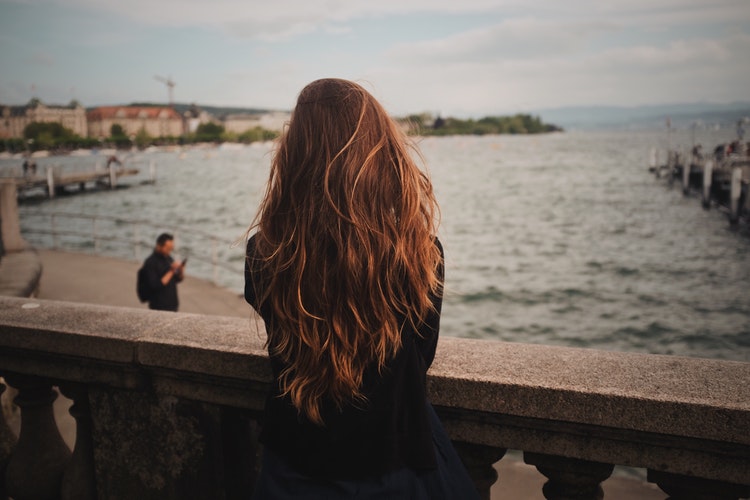
5 Charming Long Hairstyles for Women Over 40
Is it convenient to keep your hair long after 40? Yes! There are hundreds of long hairstyles for mature women, which make any woman look chic and stylish. So, if you’re not sure of keeping your hair long only because of not knowing how to style it perfectly, don’t cut it. We have 5 wonderful long hairstyles for women over 40, which will suit any occasion and celebration. These hairstyles can be worn both on a daily basis and while being at the office. So, let’s get started. 5 Simple Hairstyles for Women Over 40 If you’re over 40, it doesn’t mean you have to cut your hair short only…
-
On The Way Towards Changes
The right hairstyle is essential for ladies at all ages. Stylish, chic haircut for women over 40 makes the image complete, enhances beauty and attracts attention. Long or short, tidy or messy, straight or wavy – hairstyle can make a lady look completely different each time. There is a great number of cuts which may help women not only look younger than their age, but also look slimmer. The main thing it’s worth keeping in mind when searching for such cut is that it has to be suitable for your hair type and face shape. What To Give Preference To What is it worth giving preference to when searching for…